













GROUNDING IN RADICAL SELF-CARE
Self-care is a necessity, not a luxury. When the world feels heavy, remember that taking care of your body, mind, and spirit is an act of resistance. This could mean setting time aside each day for meditation, finding moments to journal your thoughts, or prioritizing rest as a sacred practice. Finding joy in creativity, connecting with nature, or even allowing yourself space to simply be can serve as grounding forces against external challenges. Radical self-care is about reclaiming the time and space that systems of oppression often try to deny us. Wanna start now? Here are 20 powerful affirmations for TGNCI folks.
COLLECTIVE CARE AND COMMUNITY SUPPORT
While self-care is essential, we don’t have to do this alone. Collective care reminds us that we’re interconnected, and through that bond, we find strength. Consider joining or forming support groups, local organizations, community circles, or online spaces where you can share, listen, and uplift one another. Collective care can also take the form of organizing mutual-aid efforts, advocating for inclusive local policies, or offering emotional support to friends. Solidarity fuels our resilience, helping us hold each other up and reminding us that we’re not isolated in this fight.
CENTERING HEALING JUSTICE
Healing justice recognizes that the impacts of systemic violence on Black queer and trans folks cannot be undone by self-care alone. It is a movement that asks us to confront the trauma inflicted by oppression and advocate for healing on a larger scale. This could mean creating safe spaces for collective healing, seeking out mental-health resources specific to Black queer and trans communities, or practicing restorative justice within our networks. Healing justice allows us to address the root causes of our struggles rather than just the symptoms, pushing for a world where our healing is valued as much as our resistance.
BUILDING RESILIENCE AGAINST
MISINFORMATION
A core part of our well-being involves guarding against the constant onslaught of misinformation (false information not intended to cause harm but that can have such an effect anyway) and disinformation (false information that is used to purposely manipulate, damage, and guide people in ill-intended directions) about our lives and identities. In 2024, narratives about trans communities were hijacked and used as political ammunition, often twisting our truths to fit damaging agendas. One powerful form of care is educating ourselves and our communities about the realities of anti-trans rhetoric, equipping ourselves with the tools to challenge it, and creating spaces where our stories are told accurately and without distortion. Check out past issues of The Tea or tap in with folks like Black Trans Media for narratives that counter misinformation and uplift authentic stories.

CULTIVATING BLACK TRANS JOY AND CELEBRATION
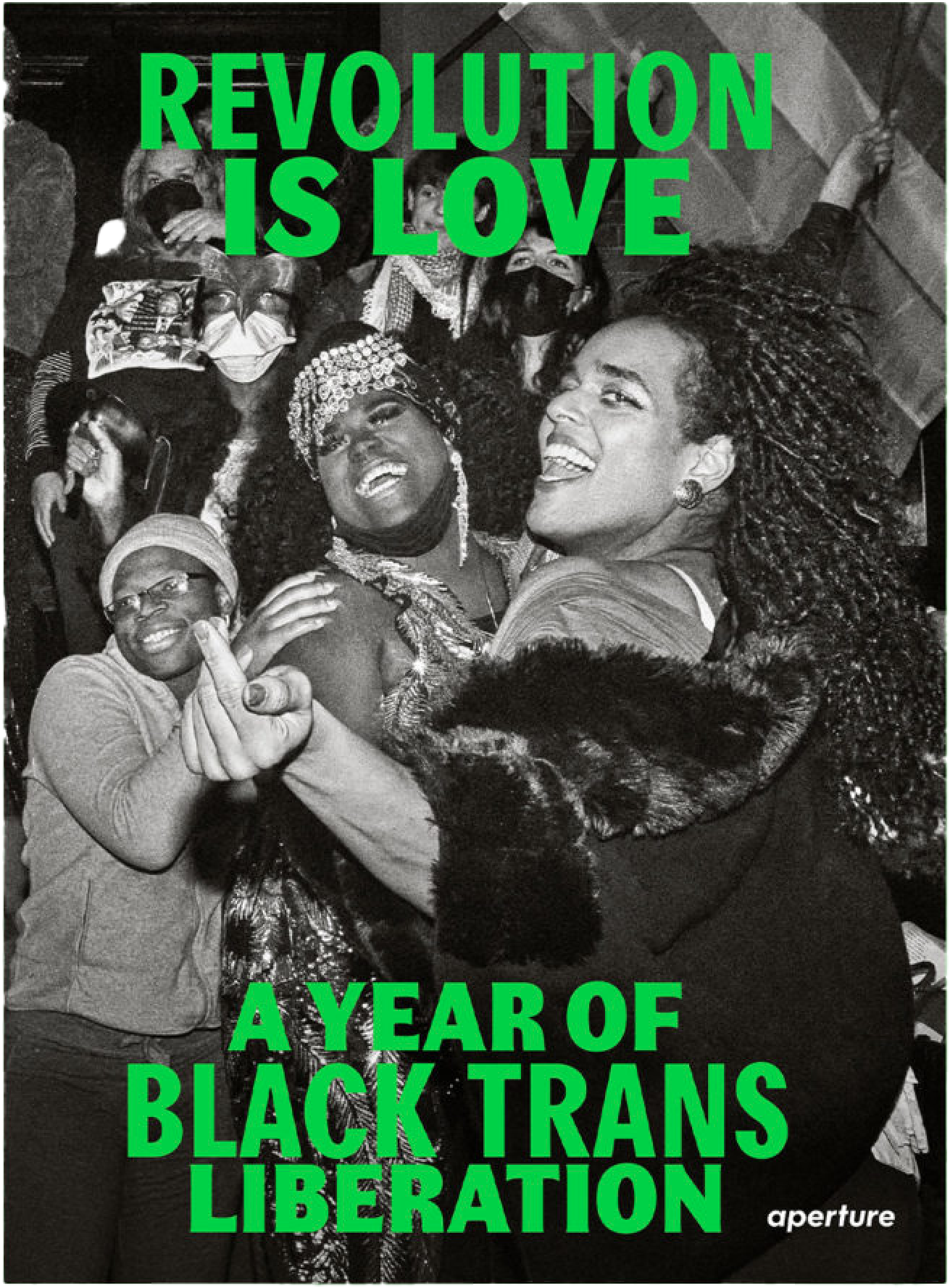
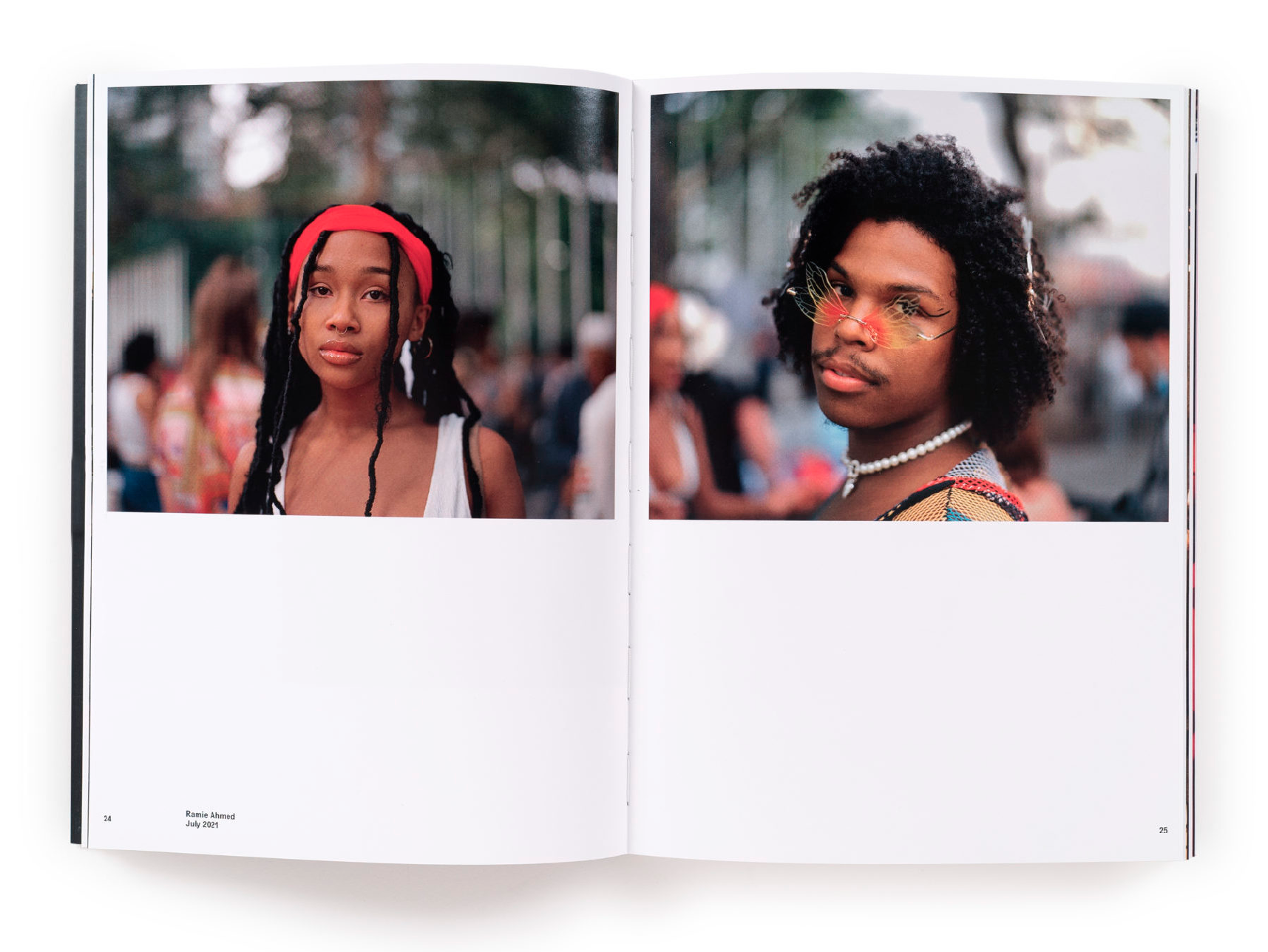
In the face of ongoing challenges, finding joy in who we are and celebrating our identities is profoundly healing. Celebration is an act of reclamation; it’s a way of asserting that our lives are beautiful and that our existence is powerful. Create traditions that honor yourself and your community, whether that’s gathering with friends, taking up a new hobby, or spending time in spaces that allow you to express yourself freely. Let joy be both your fuel and your refuge.


As we continue to face an unprecedented rise in anti-trans legislation across the country, the South, in particular, has become a battleground where racial tensions and anti-trans policies are colliding in devastating ways. In Alabama, this struggle is felt by Tamika Spellman, founder of Grammy’s Place, a critical sanctuary for Black trans women in Tarrant.
This past October, Tamika found herself on the frontlines of this fight when local authorities, responding to an emergency medical visit, initiated an unwarranted attack on the very sanctuary she built for Black women of trans experience. Code-enforcement officials descended on Grammy’s Place, falsely accusing them of violating local occupancy codes, and threatening the future of a space that provides life-saving housing and support. This attack comes on the heels of the escalating anti-trans laws designed to criminalize and silence trans communities—compounded by the racialized and divisive political climate in the region, especially as the 2024 elections fueled heightened animosity and fear-mongering around gender and racial identity.
What should have been a moment of compassion became yet another example of the violence and marginalization Black trans people face daily. Grammy’s Place, a vital community-support space, has become a target simply for existing as a sanctuary in a state where Black trans lives are under constant threat. The accusations against Tamika and her home are part of a broader pattern of state violence that seeks to erase Black trans leadership and resistance at a time when communities of color in the South are already grappling with the harmful effects of both racial discrimination and anti-trans laws.
As we continue to face an unprecedented rise in anti-trans legislation across the country, the South, in particular, has become a battleground where racial tensions and anti-trans policies are colliding in devastating ways. In Alabama, this struggle is felt by Tamika Spellman, founder of Grammy’s Place, a critical sanctuary for Black trans women in Tarrant.
This past October, Tamika found herself on the frontlines of this fight when local authorities, responding to an emergency medical visit, initiated an unwarranted attack on the very sanctuary she built for Black women of trans experience. Code-enforcement officials descended on Grammy’s Place, falsely accusing them of violating local occupancy codes, and threatening the future of a space that provides life-saving housing and support. This attack comes on the heels of the escalating anti-trans laws designed to criminalize and silence trans communities—compounded by the racialized and divisive political climate in the region, especially as the 2024 elections fueled heightened animosity and fear-mongering around gender and racial identity.
What should have been a moment of compassion became yet another example of the violence and marginalization Black trans people face daily. Grammy’s Place, a vital community-support space, has become a target simply for existing as a sanctuary in a state where Black trans lives are under constant threat. The accusations against Tamika and her home are part of a broader pattern of state violence that seeks to erase Black trans leadership and resistance at a time when communities of color in the South are already grappling with the harmful effects of both racial discrimination and anti-trans laws.